
Disputes guide
How to Prevent and Fight Chargebacks
A chargeback costs you the sale, the product and a fee. Here’s why they happen, how to stop most of them and how to respond when one lands.
Practical steps for restaurants, shops, service businesses and online sellers in Phoenix and Tucson.

Quick answer
The short version
Most chargebacks come from customers who don’t recognize a charge, orders that didn’t meet expectations or actual fraud. Use a clear business name on card statements, take cards in person by tap or chip whenever you can, answer customer complaints quickly, and keep receipts and signed agreements. When a chargeback does come in, respond before the deadline with clear, organized evidence.
Why they happen
The four most common causes
- “I don’t recognize this charge.” The name on the customer’s card statement doesn’t match your business name.
- Fraud. A stolen card was used, most often in keyed-in, phone or online sales.
- Not as described or not received. The customer says the product or service wasn’t what they paid for, or never arrived.
- Billing problems. Duplicate charges, a refund that was promised but never processed, or a subscription the customer thought they canceled.
Prevention
How to stop most chargebacks before they start
- Fix your billing descriptor. Make sure the name customers see on their statement matches the name on your sign, with a phone number if possible.
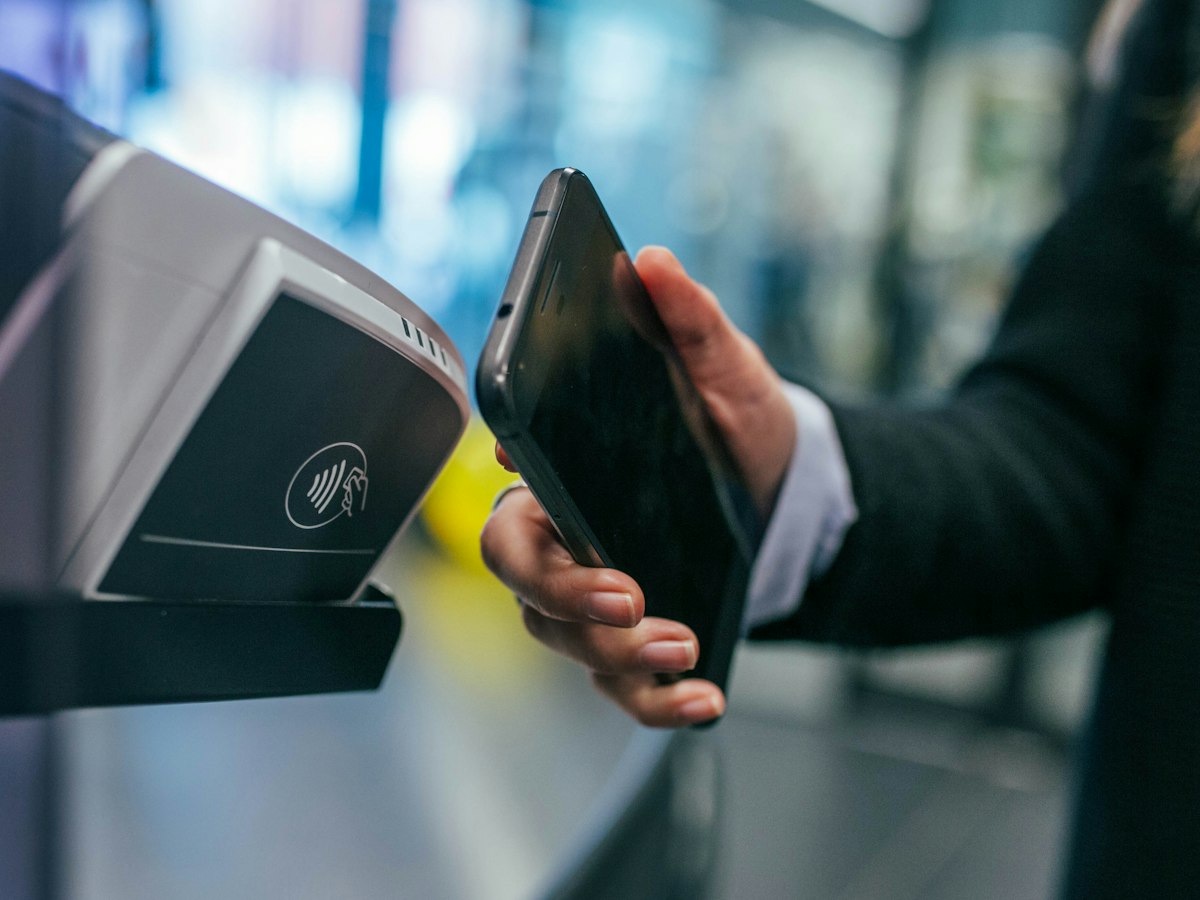
- Tap or chip whenever you can. Contactless and chip payments are much harder to dispute as fraud than keyed-in cards.
- Use fraud tools for card-not-present sales. Address and security-code checks, and fraud screening on your payment gateway.
- Write clear policies. Put your refund, cancellation and no-show policies on receipts, invoices and your website.
- Get signed agreements for big jobs. Contractors, medical offices and event businesses should get written approval and deposits documented.
- Answer complaints fast. A quick refund or fix is almost always cheaper than a chargeback.
- Send reminders for recurring charges. Let subscription and membership customers know before they are billed.
When one lands
How to respond to a chargeback
- Act quickly. Your processor gives you a short window to respond. Check the notice for the deadline.
- Read the reason code. It tells you what the customer claimed, so you know what evidence to send.
- Decide whether to fight it. If the customer is right, accept it and fix the cause. If not, respond.
- Send organized evidence. Match your evidence to the reason code, and keep it short and clear.
- Track the outcome. Note why it happened and what you will change, so it doesn’t happen again.

Evidence
What to send for each type of dispute
| Customer claims | Helpful evidence |
|---|---|
| Fraud / not authorized | Chip or tap receipt, signed receipt, matching address and security-code checks, past orders from the same customer |
| Didn’t recognize the charge | Receipt with your business name, how your name appears on statements, customer contact records |
| Not received | Tracking showing delivery, pickup records, photos of completed work |
| Not as described | Product or service description, signed agreement or estimate, emails or texts with the customer |
| Canceled or refund not given | Your posted cancellation or refund policy, proof the customer agreed to it, refund records |
| Charged twice | Records showing two separate purchases, or proof the duplicate was already refunded |
FAQ
Chargeback questions
What is a chargeback?
A chargeback happens when a customer disputes a card payment with their bank instead of asking you for a refund. The bank pulls the money back from your account while the dispute is reviewed, and your processor usually charges a chargeback fee.
How long do customers have to file a chargeback?
It depends on the card brand and the reason, but customers often have up to about 120 days from the transaction, and longer in some cases. Keep receipts, signed agreements and delivery records for at least that long.
How long do I have to respond?
Usually only a short window, set by your processor, often one to three weeks from the notice. Check your processor’s portal or notices right away so you don’t miss the deadline.
Should I refund a customer instead of fighting a chargeback?
If a customer contacts you first, a refund is usually cheaper than a chargeback, because you avoid the fee and the dispute counts against you. Once a chargeback is filed, refunding separately can mean paying twice, so respond through the dispute instead.
Can too many chargebacks hurt my account?
Yes. Card brands and processors watch your chargeback ratio. Merchants with too many disputes can face extra fees, reserves on their deposits or a closed account. Keep disputes as rare as possible.
Can you help us lower chargebacks?
Yes. We can review how you take payments, turn on fraud tools like address and security-code checks, and make sure your receipts and descriptor are clear.
Related: how to read your processing statement · online and invoicing payments · specialty accounts
Better rates and the right setup.
Book a free consultation with a local expert. We’ll review what you pay today and recommend the right setup for your business.
Free consultation
Tell us a little about your business. A local payments expert will reach out to help you choose the right setup.
No cost, no obligation. We never share your information.